


Key Takeaways
- Loan scams in Singapore often rely on urgency, fake websites, unsolicited messages and promises of fast or guaranteed approval.
- Always verify a lender through the official Registry of Moneylenders and ensure its business details match the official listing.
- Never pay suspicious upfront fees or share sensitive information such as Singpass credentials, OTPs or banking passwords.
- Licensed money lenders and unlicensed money lenders are not the same. Licensed lenders must comply with Singapore’s moneylending regulations.
- If you’ve been scammed, act quickly by stopping further payments, contacting your bank, preserving evidence and reporting the incident.
When you need cash urgently, a loan offer that promises quick approval can feel like a lifeline. But what if the person on the other end isn’t a lender at all?
Scammers know that financial pressure can make you act quickly. They may copy a genuine lender’s website, send convincing WhatsApp messages or promise guaranteed approval to make a loan scam look legitimate.
At UK Credit, we believe in playing our part to help consumers like you make safer borrowing decisions. In this guide, we’ll walk you through common loan scams in Singapore, how they work, how to verify a lender and what to do if you’ve already been targeted.
What Is a Money Lender Scam?
A money lender scam occurs when someone pretends to be a legitimate lender to trick you into handing over money, personal information or access to your financial accounts.
Scammers may impersonate licensed money lenders in Singapore, create fake websites, reach you via social media ads or send deceptive loan offers via messaging platforms. Some may even copy a genuine company’s branding or business details to make their offer appear authentic.
Common warning signs include fake loan approvals, upfront payment requests, guaranteed approval and requests for sensitive information. They might trick you by claiming you need to pay S$500 upfront to have your S$2,000 loan approved.
The important thing to remember? A professional-looking website or convincing message doesn’t prove that you’re dealing with a legitimate money lender. Always check who you’re dealing with before proceeding.
Why Are Borrowers Targeted by Loan Scammers?
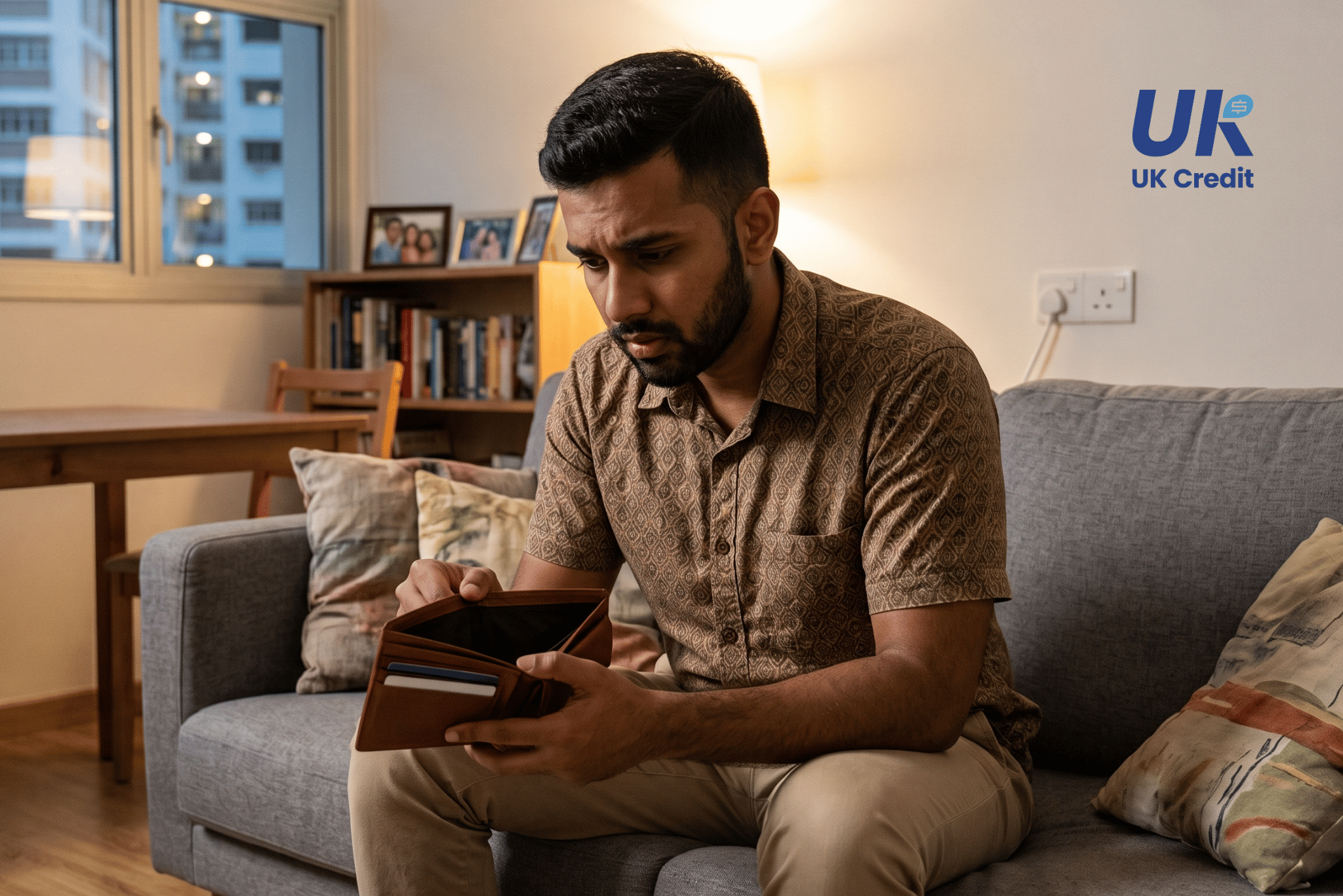
Scammers often look for people who need money quickly. If you’ve had a bank loan rejected, have concerns about your credit history, or simply want a faster application process, an attractive offer can be tempting.
That’s exactly what scammers rely on.
They may promise instant approval, guaranteed loans or minimal checks, hoping you’ll act before you have time to investigate. The more pressure you feel, the easier it can be to overlook warning signs.
If an offer sounds too good to be true, take a step back. Slow down, check the lender’s credentials and verify the offer through official sources before sharing information or making any payment.
Related read: 4 Things You Need to Know About No Credit Check Loans in Singapore
Common Money Lender Scams in Singapore
Fake Licensed Money Lender Websites
Scammers may copy the name, logo, licence details or website of a genuine lender to appear legitimate. Don’t assume a professional-looking website proves a lender is genuine. Check its details against the official Registry of Moneylenders before proceeding, especially the URL.
Unsolicited WhatsApp, SMS or Telegram Loan Offers
Unexpected messages promising “instant approval”, “guaranteed loans” or “no documents required” should raise concerns. Licensed money lenders in Singapore are not permitted to solicit loans through unsolicited text messages, calls or social media platforms.
Upfront Payment Scams
A scammer may request a deposit, GST, processing fee or other payment before releasing a supposed loan. Be particularly cautious if you’re told you must transfer money to “unlock” or secure your loan.
Singpass, NRIC and Banking Credential Scams
Never share your Singpass password, OTP, banking password or other sensitive login details with someone claiming to process your loan. Scammers may use this information for identity theft or financial fraud.
Fake Debt Collection Threats
Some scammers may use threats of legal action, harassment or exposure after obtaining your personal information, hoping to pressure you into making further payments. If this happens, don’t give in to the pressure. Keep the messages and other evidence and report the incident instead.
Licensed vs Unlicensed Money Lenders in Singapore
The distinction is straightforward: licensed money lenders in Singapore are regulated and listed by the Registry of Moneylenders, while unlicensed money lenders operate outside the legal framework. Unlicensed money lenders are also known as loan sharks.
If you’re considering borrowing from a licensed money lender, understanding this difference is an important first step.
| Factor | Licensed Money Lenders | Unlicensed Money Lenders |
| Registration | Listed by the Registry of Moneylenders | Not officially listed |
| Loan Process | Must follow regulatory requirements | Will bypass required checks |
| Contract | Formal loan documentation | May provide unclear or fake terms |
| Fees | Subject to legal limits | May impose arbitrary charges and hidden fees |
| Conduct | Must comply with moneylending rules | May use illegal tactics or threats |
How to Verify a Licensed Money Lender in Singapore

Found a lender that looks promising? How can we identify a fake loan? Before sharing your documents or discussing a loan, take a few minutes to verify it.
Check the Official Registry of Moneylenders
Start by checking the official list of licensed money lenders. Make sure the lender’s business name, address and contact details match the information listed.
Use Official Contact Details
Don’t rely on phone numbers or links sent through unsolicited messages. Instead, use contact details from independently verified sources to reach the lender.
Review the Loan Agreement
Before signing, check the loan amount, interest rate, repayment period and applicable fees. Make sure you understand the terms and receive the required documentation.
Protect Your Personal Information
Never share your Singpass password, OTPs or banking credentials with anyone claiming to process your loan. Provide documents only through legitimate channels when necessary.
Related read: How to Know if You Are Dealing With a Lender With Money Lender License
What to Do If You Have Been Targeted by a Money Lender Scam
Think you’ve encountered a scam? Don’t panic, but don’t keep engaging with the scammer either. Here are five things you can do in this tricky situation.
- Stop further payments. Don’t send additional money just because the scammer threatens you.
- Preserve evidence. Keep screenshots, messages, phone numbers, website addresses and payment records.
- Contact your bank quickly if you’ve transferred money or exposed your banking information.
- Report the incident to the relevant authorities.
- Secure compromised accounts and change affected passwords where appropriate.
If you’re unsure whether an offer is genuine, you can use ScamShield’s resources to check suspicious messages, phone numbers and website links. The ScamShield Helpline is also available at 1799.
Most importantly, don’t wait for the situation to get worse before taking action. Acting quickly may help limit further losses.
Conclusion: Why Choose UK Credit for Your Borrowing Needs?

When you’re considering borrowing from a licensed money lender, understanding the application process and loan terms can help you make a more informed decision.
UK Credit is a licensed money lender in Singapore and provides information on its application process, loan terms, and office details. Its process includes an online enquiry followed by an in-person visit for verification and a discussion of the loan terms before funds are disbursed.
That gives you an opportunity to understand the agreement and ask questions before committing.
If you’re considering a legitimate borrowing option, you can contact our team or apply through our official website.
FAQs About Money Lender Scams in Singapore
How Do I Know If a Loan Offer Is a Scam?
Be cautious of unsolicited offers, guaranteed approvals, upfront payment requests, suspicious links or lender details that don’t match the Registry of Moneylenders.
Are Private Money Lenders Legal in Singapore?
Private money lenders can operate legally in Singapore if they are properly licensed and comply with the applicable moneylending rules. Always verify the lender through the official Registry before proceeding.
Can Licensed Money Lenders Advertise Through WhatsApp?
Licensed money lenders in Singapore cannot solicit loans via unsolicited WhatsApp messages, SMSes, phone calls or social media platforms. Treat unexpected loan offers as a red flag.
What Should I Do If I Already Sent Money to a Scammer?
Stop making further payments, preserve all evidence, contact your bank immediately and report the scam to the relevant authorities.
Is It Safe to Borrow From a Licensed Money Lender in Singapore?
It can be safer because licensed money lenders are regulated. However, always verify the lender, read the loan agreement carefully and make sure you can afford the repayments.